You’ll Never Find Me
Melbourne International Film Festival (MIFF) has announced its full 2023 film program for the festival’s 71st edition. With a blockbuster line-up of 267 films, MIFF raises the curtain on an extraordinary selection of features, shorts, restorations, retrospectives and XR experiences in-cinemas from 3-20 August; with regional screenings from 11-13 and 18-20 August; and from 18-27 August via the festival’s online viewing platform, MIFF Play.
This year, MIFF invites audiences to return to the cinema – with one another – for 18 days of in-person programming, discovery and unique experiences. Across Victoria, the festival will deliver hotly-anticipated Cannes titles, festival circuit favourites, World Premiere arrivals and a bounty of local releases to the film-loving city of Melbourne and beyond.
Tonight’s announcement also includes news of the festival’s Closing Night Gala presentation of hilarious musical mockumentary Theater Camp, and the full suite of films, all Australian Premieres, vying for one of the world’s richest film prizes in the return of MIFF’s Bright Horizons feature film competition.
Expanding on the stacked screening schedule, the 2023 event will also play host to an incisive talks offering spanning artist conversations and comprehensive retrospectives set to take audiences behind the scenes and beyond. Festival-goers can expect an impressive guests program including visiting creatives such as Celine Song, whose film Past Lives is already garnering Oscar buzz, as well as Mark Duplass(The Morning Show; Language Lessons, MIFF 2021) and Mel Eslyn set to attend ahead of their Victorian premiere of Biosphere, an uproariously funny buddy comedy with a heart of darkness, which marks Eslyn’s directorial debut.
“With our full 2023 program release, audiences ready themselves again for the remarkable cinematic feats of a MIFF Melbourne takeover this August – eclectic and electric journeys through film’s present, past, and possible futures; your winter made bright on the world of the big screen,” says Al Cossar, Artistic Director.
As ever, MIFF delights in bringing Melburnians together, to create an adventure through film like no other, to make your own. We can’t wait to welcome you to MIFF this year!”
The festival’s regional program showcases some of the best of the fest between 11-13 and 18-20 August in seven statewide locales: Bendigo, Bright, Castlemaine, Echuca, Geelong, Rosebud and Warrnambool.
Beyond cinemas, MIFF Play presents an assortment of highly curated films to choose from that are only available at MIFF, nationally from 18-27 August. Born out of necessity in 2020, MIFF remains committed to the online viewing platform, ensuring access to the best of cinema is accessible for audiences near or far to enjoy from home.
“From one of the world’s biggest film competitions, to the highly anticipated Music on Film Gala, MIFF is set to inspire audiences with another exhilarating year of the best Australian and international cinema,”VicScreen CEO Caroline Pitcher said. “VicScreen is delighted to continue our long standing partnership with this world-class screen event. We can’t wait to see the city abuzz in August, when the festival begins to take over some of Melbourne’s most iconic venues.”
Leading MIFF’s 2023 Premiere Fund line-up is Accelerator Lab alumna Noora Niasari’s Sundance award-winning Shayda (the 7th Premiere Fund film to open MIFF). Four more Premiere Fund films have their World Premiere at MIFF-71: actor Mark Leonard Winter’s feature directing debut The Rooster (presented by The Monthly), starring Phoenix Raei and Hugo Weaving which, like Shayda, will go on to compete for MIFF’s Bright Horizon Award. From The Australian Dream (MIFF 2019) producers, Australia’s Open (presented by 7am Podcast) gives the inside scoop on a modest Melbourne tennis tournament transforming into one of the sport’s four World Grand Slams. Memory Film: A Film Makers Diary is Jeni Thornley’s immersive cine-poem meditation on liberation, change and legacy; and This Is Going to Be Big, a life-affirming exploration of arts participation changing lives and communities as a high-school group overcomes obstacles to stage a John Farnham-inspired time-travelling musical.
Alongside the Bright Horizons competition, MIFF will again present the Blackmagic Design Australian Innovation Award and MIFF Audience Award, plus a new award, in collaboration with Kearney Group, recognising an outstanding Australian First Nations creative within a film playing in the MIFF program.
The inaugural winner of the First Nations Film Creative Award will receive a $20,000 cash prize and $25,000 worth of financial services from Kearney Group. The pool of contenders can sit across all film creative departments including directing, producing, screenwriting, composing, editing, cinematography, acting, production design, art direction and sound design. This continent has seen 60,000 + years of storytelling. This new award allows MIFF, alongside the Kearney Group, to support First Nations talent and storytelling across Australia and to highlight achievements on the global stage.
Winners of all prize categories will be named at the MIFF Awards on Saturday 19 August.
MIFF will run from August 3 – 27. Full details here.
Here’s your complete list of Australian feature films screening at MIFF in 2023.
Abebe – Butterfly Song
Directed by Rosie Jones
Produced by Jake Coombes, Jason Byrne and Michael Agar
Featuring David Bridie, George Telek, Helen Mountford, John Phillips, Martin Flanagan, Namila Benson, Patrick McCluskey, Paulie Stewart, Phil Wales, Pius Wasi and Tania Nugent
Discover the musical legacy and enduring friendship between celebrated Papuan musician George Telek and Not Drowning, Waving’s David Bridie.
In 1986, Melbourne musician David Bridie of the groups Not Drowning, Waving and My Friend the Chocolate Cake travelled to Papua New Guinea, where he heard the heartfelt sounds of George Telek and the Moab Stringband’s ‘Abebe’ (‘Butterfly Song’) on board a bus. It marked the beginning of a profound fascination with the nation and its rich culture – and of a bond with Telek that would last more than 30 years. Together, their collaboration on critically acclaimed albums and tours has helped amplify Papuan stringband sounds and languages like Tok Pisin and Kuanua outside of the country.
Abebe – Butterfly Song combines visits to Port Moresby and Rabaul with archival footage from tours and recording sessions in Australia, Europe and the Pacific as well as candid interviews with the pair, their friends, collaborators, and a raft of fellow musicians including Peter Garrett, Archie Roach and David Byrne. With sensitivity and skill, documentarian Rosie Jones (The Family, MIFF Premiere Fund 2016; The Triangle Wars, MIFF 2011) has crafted a meaningful portrait not only of two passionate musicians from different backgrounds, but also of the cross-cultural artistic exchange between Australia and one of its closest neighbours.

Abebe – Butterfly Song
Australia’s Open
Directed by Ili Baré
Written by Chelsea Watego, George Megalogenis
Produced by Charlotte Wheaton, Nick Batzias
Featuring Bruce McAvaney, Courtney Walsh, Craig Tiley, Damien Cave, Geoff Dyer, George Megalogenis, Jeff Kennett, Jon Werthiem, Josh Frydenberg, Katrina Adams, Liam Broady, Pat Cash, Paul McNamee, Rennae Stubbs, Shelley Ware and Tracey Holmes
Relive the most thrilling moments of Australia’s beloved tennis tournament in this chronicle of its ascent to top-seed status on the global stage.
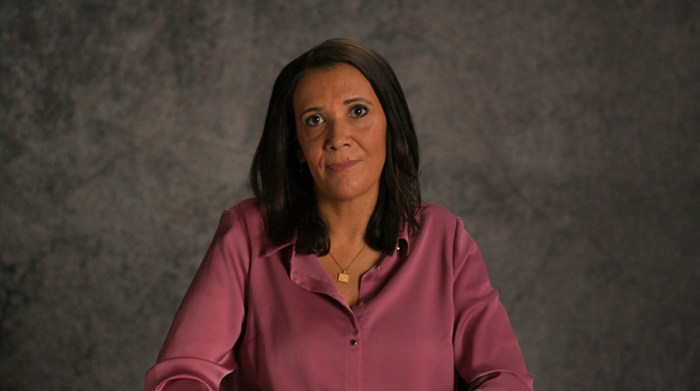
The Australian Open is one of the world’s four tennis Grand Slams, but its early days in 1970s Kooyong were humble – a far cry from its current, cutting-edge home at Melbourne Park. Now the highest-profile sporting event in the country, the Open has hosted innumerable tennis legends and iconic matches, such as Serena and Venus Williams’s finals clash in 2017. Infamous for the larrikinism of its crowd, it has also become both a celebration of greatness and a site for the playing-out of social issues, from Aboriginal and queer representation to border control.
This heart-pumping documentary from The Leadership (MIFF 2020) director Ili Baré thrusts you back to the stadium roars and down-the-line shots, interweaving archival material with footage from some of the Open’s most pivotal games. Featuring interviews with sports journalists (Tracey Holmes, George Megalogenis), industry figures (Paul McNamee, Craig Tiley), and players old and new (Pat Cash, Rennae Stubbs, Liam Broady), it also explores sport’s relationship with patriotic pride, athletes’ duality as heroes and humans, and the controversies courted by this million-dollar business. Supported by the MIFF Premiere Fund, Australia’s Open is a warts-and-all account that illuminates just how entwined the stories of the tournament and the nation truly are.
Australia’s Open
The Bank
Written and directed by Rob Connolly
Produced by John Maynard
Starring Anthony LaPaglia, David Denham and Sibyl Budd
Join MIFF Ambassador Robert Connolly (Paper Planes, MIFF Premiere Fund 2014; Balibo, MIFF 2009) as he presents a radiant 4K restoration of his debut feature: an entertaining, anti-capitalist caper of greed and deception.
Jim Doyle (a mysterious David Wenham) is a maths prodigy working on a formula to predict stock-market fluctuations. His quest piques the interest of Simon O’Reilly (a sharp-talking Anthony LaPaglia), the CEO of Centabank, who is under pressure from the bank’s board to boost profits. If that’s not enough, ruthless O’Reilly is also dealing with bereaved parents on a mission to sue the bank for dodgy offshore loan advice, yet his ethics aren’t the only ones that are called into question.
Originally screened as MIFF 2001’s Opening Night film, Connolly’s rendition of the ‘battler vs institution’ stand-off has been newly remastered, accentuating clever graphics and a Melbourne of cold corporate urbanity. Propelled by stellar performances from Wenham and LaPaglia, The Bank stamped its director’s mark on the film industries in Australia and abroad, earning him an AFI Award for Best Original Screenplay as well as accolades at the Palm Springs, Newport Beach and Portland film festivals. A thriller about unabashed avarice, cutthroat bureaucracy and the ways in which empathy can fall away in the race for economic success, The Bank remains as topical today as upon its release.

The Bank
Birdeater
Directed by Jack Clark, Jim Weir
Written by Jack Clark
Produced by Stephanie Troost and Ulysses Oliver
Starring Alfie Gledhill, Ben Hunter, Clementine Anderson, Harley Wilson, Jack Bannister, Mackenzie Fearnley, Shabana Azeez
A bachelor party takes a feral turn in this genre-defying debut from an exciting new Australian directing duo.
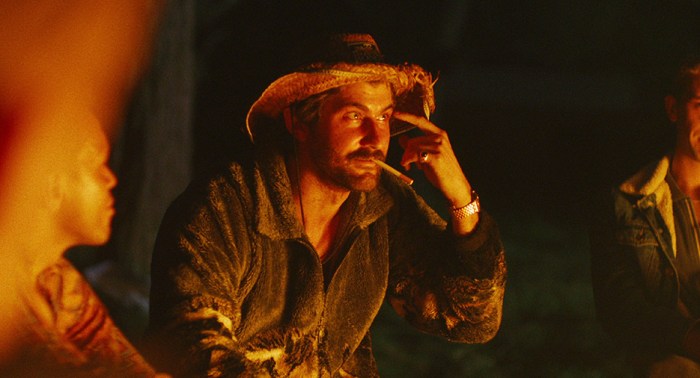
On an isolated country property, a soon-to-be-married young couple – the gregarious Louie and the hesitant Irene – have gathered a group of their closest friends for a pre-wedding celebration. Things start festively enough, but as the night wears on, an uncomfortable revelation about the pair’s relationship upends the festivities. Soon, the party is plunged into full-blown chaos as the night descends into a vicious nightmare.
This thrilling debut feature from Australian directors Jack Clark and Jim Weir tackles the evolving debate around gender roles head-on, tangling with the uncomfortable dynamics of relationships – and the menace of unchecked masculinity – through a riveting genre hybrid that fuses anxious domestic drama with the surreal terror of the remote landscape. Electrified by performances from a hungry young ensemble cast, and infused with an unflinching desire to raise tough topical questions, Birdeater is a bold, provocative breakout.
Birdeater
The Coolbaroo Club
Directed by Roger Scholes
Written by Lauren Marsh, Roger Scholes and Steve Kinnane
Produced by Lauren Marsh, Penny Robins and Steve Kinnane
Featuring Christopher Robin Bodney, Eileen Clarke, Frank Bropho, Gladys Bropho, Helena Murphy, Joan Penny, Nora PIckett, Roma Loo, Shirley Corunna and Thomisha Passmore
This powerhouse documentary, gloriously restored by the National Film and Sound Archive, chronicles how a haven of Indigenous dance and activism arose from segregated postwar Perth.
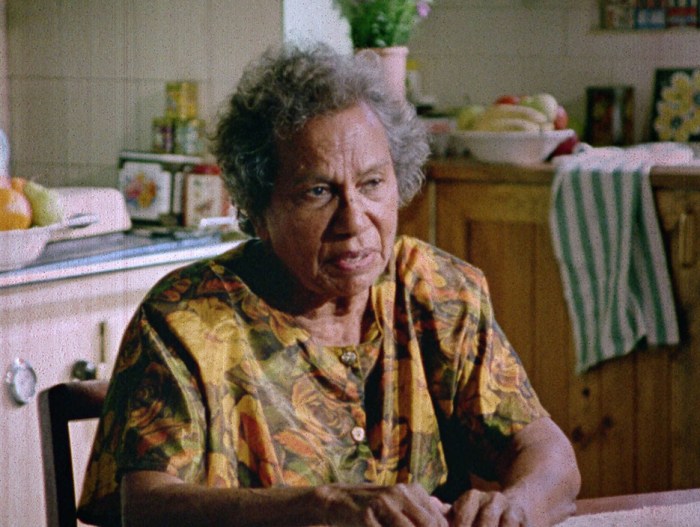
Nat “King” Cole, the Harlem Globetrotters and Harold Blair all walked through the venue’s doors, so why don’t we know the name ‘The Coolbaroo Club’? Running from 1946 to 1960, this Perth establishment was the brainchild of returned Indigenous WWII soldiers who, facing segregation and violence, turned an unassuming community hall into the only Aboriginal-run club in the entire city. While it was a site for socialising and partying without the threat of harassment or discrimination, it also became a cradle for political activity: it was there that the newspaper The Westralian Aborigine was born, and it was also the meeting point for many local activists organising for Indigenous rights.
In 1996, Tasmanian director Roger Scholes (The Tale of Ruby Rose; The Valley, MIFF 1992), working with Miriwoong Marda Marda writer and producer Steve Kinnane, sought to change the historical fate of the trailblazing but largely forgotten institution through this trenchant but tender documentary. Diving into the venue’s 14-year history, Scholes (who passed away last year) brings a dramatic and elegant touch to this story, seamlessly melding archival images and interviews with colourful, kinetic recreations of jazz performances and dance-floor euphoria – all without ever losing sight of the injustices occurring just outside the club’s walls.
The Coolbaroo Club
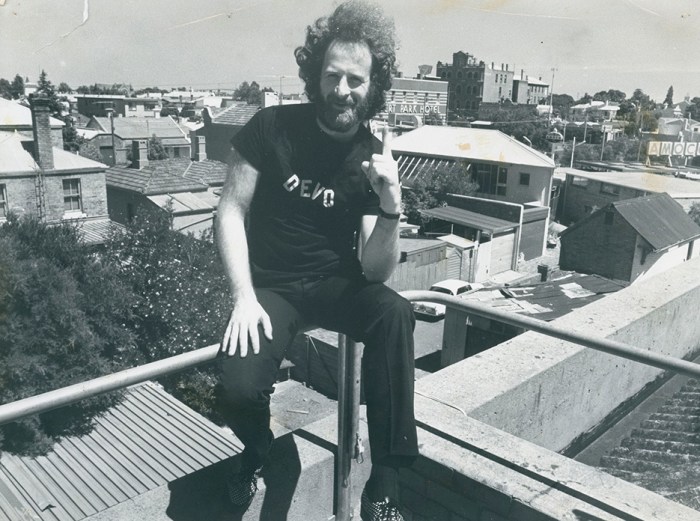
Ego: The Michael Gudinski Story
Directed by Paul Goldman
Written by Bethany Jones, Paul Goldman and Sara Edwards
Produced by Bethany Jones, Paige McGinley and Paul Goldman
The wild ride of maverick entrepreneur Michael Gudinski, who defied convention and revolutionised the Australian music industry over five decades.
Michael Gudinski was a music man, impresario and natural-born hustler. He repeatedly risked everything for his one obsession: Australian music. At age 19, he launched Mushroom Records and went on to sign and nurture iconic artists including Skyhooks, Split Enz, Jimmy Barnes, Paul Kelly, Hunters & Collectors, Kylie Minogue, Archie Roach and Yothu Yindi. But he wasn’t content with just a label – his hunger extended to being on the road promoting legendary international acts such as Foo Fighters, Ed Sheeran, Bruce Springsteen and Sting. There’s barely a living Australian whose life hasn’t been touched by the music he was behind.
Helmed by acclaimed feature film, documentary and music video director Paul Goldman (Suburban Mayhem, MIFF 2006; Australian Rules, MIFF 2002) and produced by Bethany Jones (Molly: The Real Thing) for Mushroom Studios, Ego features personal accounts from Gudinski himself, exclusive interviews with some of the world’s most influential artists, rare archival footage and an electrifying soundtrack. Tracing its subject’s rise from shy son of immigrant Jewish parents to audacious international player and Australian household name, the film dives into Gudinski’s psyche and unorthodox tactics, his successes and failures, and reveals the unstoppable frontman of a cultural movement and music empire.
Ego: The Michael Gudinski Story
Godless – The Eastfield Exorcism
Directed by Nick Kozakis
Written by Alexander Angliss-Wilson
Produced by Lauren Simpson, Timothy Whiting and Tony Coombs
Starring Dan Ewing, Eliza Matengu, Georgia Eyers, John Wood, Rosie Traynor and Tim Pocock
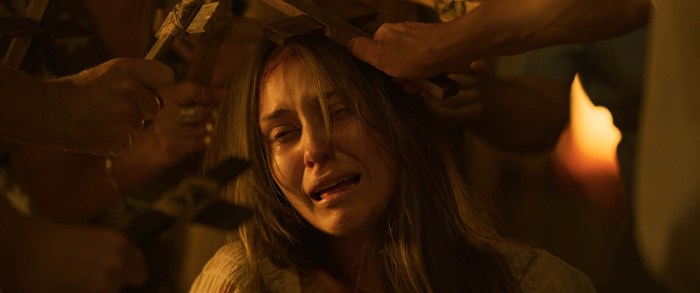
Shot in Daylesford and Hepburn Springs, this rare Aussie take on the popular exorcism subgenre builds to a brutal finale you won’t be able to excise from your mind.
Ron has been keeping a secret from his devout community: his wife Lara has been having delirious episodes. For help, he turns to Daniel, a so-called ‘religious fixer’ – a fancy way of saying he’s an unofficial exorcist. Daniel has commodified his own cruelty and bloodlust, but so too does Ron manipulate his wife’s situation for personal gain. Is Lara really possessed, or has she been hoodwinked by those with ulterior motives? As Ron now rallies the town behind him, the faith of all involved is brought into stark question.
Australian director Nick Kozakis is perhaps best known for his ARIA Award–nominated music videos for Tones and I. Here, he makes an impressive leap to features with a work that seizes well-worn exorcism tropes and radically inverts them – an achievement aided by a sterling local cast led by newcomer Georgia Eyers and Tim Pocock (X-Men Origins: Wolverine; Dance Academy). Toxic masculinity, the dangers of zealotry and the hypocrisy of institutions that believe in the Devil much more readily than they would believe a woman come under fire in this bracing film, a thrilling example of horror that exposes the wickedness in our midst.
Godless – The Eastfield Exorcism
Hello Dankness
Written, produced and directed by Soda Jerk
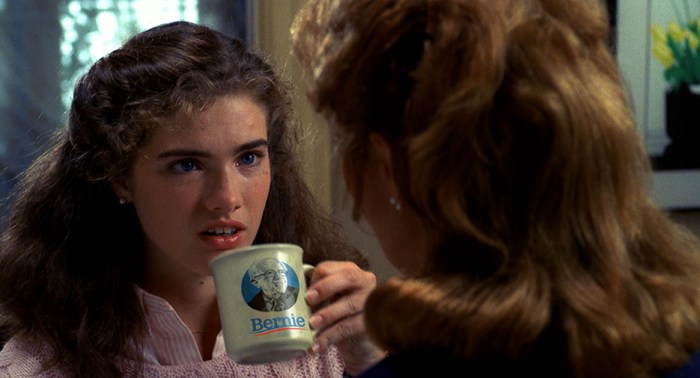
It’s the end of the world as we know it and no-one feels fine in Soda Jerk’s latest multi-layered cinematic remix, which sassily swipes at deepfakes and Trumpism.
Punk art filmmakers Soda Jerk (Terra Nullius) – siblings Dan and Dominique Angeloro – layer and manipulate hundreds of film samples into furiously funny narratives that comment on the burning issues that collectively keep us up at night. In Hello Dankness, they trace the toppling of the US empire and the worrying unravelling of reality, drawing a dizzying line from the election of Donald Trump as president in 2016 through to COVID lockdowns and rampant conspiracy theories, all via snippets of Wayne’s World, The ’Burbs and American Beauty as well as excerpts from contemporary queer art history and Reddit culture.
Having its international debut at this year’s Berlinale, this subversive incursion into the cinematic archives presents a one-of-a-kind, unforgettable insight into our increasingly turbulent times. Far from offering a dry video essay on moral decline, Soda Jerk lead us on a laugh-inducing voyage through our favourite films, anarchically lampooning the rise of fake news while cheekily reimagining Tom Hanks and Bruce Dern as feuding neighbours spitballing across the political divide.
Hello Dankness
Japanese Story
Directed by Sue Brooks
Written by Alison Tilson
Produced by Alison Tilson, Sue Brooks and Sue Maslin
Starring Gotora Tsunashima, Lynette Curran, Matthew Dyktynski, Toni Collette and Yumiko Tanaka
In this multi-award-winning outback journey of discovery – now brilliantly restored – Toni Collette stars as a geologist at odds with a Japanese businessman.
Fiercely independent geologist Sandy (Collette) is head of a company that designs scientific software in Western Australia. When she’s unwillingly tasked with showing a surface mine to Kyoto-based businessman Hiromitsu, who mistakes her for his driver, they clash over cultural and personality differences, and over Hiromitsu’s insistence on driving farther into the unknown. It’s there in the unforgiving outback – all desolate landscape under sprawling, clear sky – that their animosity and initial reservations morph into intense desire.
After premiering in Un Certain Regard at Cannes and screening as MIFF 2003’s Opening Night film, this spellbinding character study from Melbourne director Sue Brooks (Road to Nhill, MIFF 1997) scooped multiple awards, including Best Film, Best Direction and six more at that year’s AFI Awards. The spectrum of emotion masterfully displayed by Collette is a driving force, but so too is the now-revitalised cinematography from Ian Baker, which showcases the vast Pilbara desert as an equally captivating party in the unfolding events. Japanese Story is a magnificent gem of Australian cinema: propelled by romance yet realistic about life’s unexpected turns.

Japanese Story
Keeping Hope
Directed by Tyson Mowarin
Produced by Darren Hutchinson, Mark Coles Smith
Featuring Mark Coles Smith
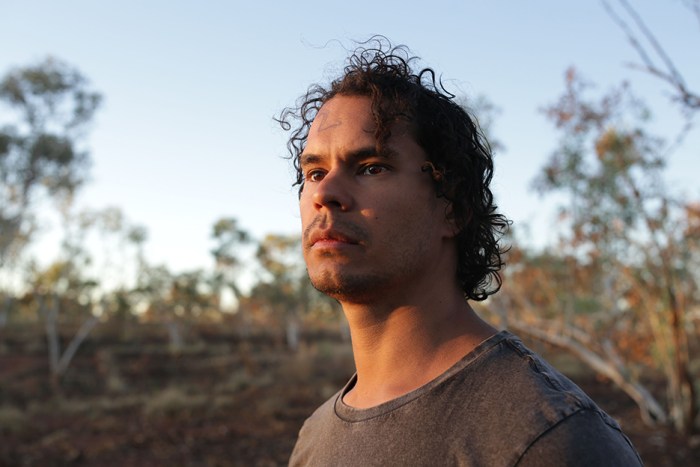
Mark Coles Smith (Sweet As, MIFF Premiere Fund 2022; Mystery Road: Origin) faces down a traumatic event from his past in the hope of helping young First Nations men in the Kimberley.
Coles Smith, an actor and Nyikina man, grew up surrounded by the astounding beauty of the Kimberley. But there is deep heartache ingrained below the surface of this postcard-perfect landscape: the rate of suicide among the region’s young First Nations men is alarmingly high. For Coles Smith, these terrible statistics – some of the most troubling in the world – are more than just numbers; his best friend tragically took his own life when they were in their 20s. Keeping Hope follows his intensely personal search for answers and, hopefully, solutions.
Following MIFF 2018’s VR highlight Thalu: Dreamtime Is Now, Ngarluma director Tyson Mowarin returns to the festival with this eye-opening, empathetic account of an issue that is fast becoming an epidemic. Commissioned by National Indigenous Television (NITV), Keeping Hope presents community responses alongside insights from experts and Indigenous elders, while Coles Smith intimately guides viewers on the journey to understand the remorse and guilt that accompany the desire to celebrate those lost to suicide.
Keeping Hope
ADVERTISEMENT Road to Perth is available to watch now.
Kindred
Directed by Adrian Russell Wills and Gillian Moody
Produced by Gillian Moody and Tom Zubrycki
Featuring Adrian Russell Wills and Gillian Moody
An autobiographical story about the removal of Aboriginal children from their birth families, Kindred is also a celebration of friendship, unconditional love and resilience.
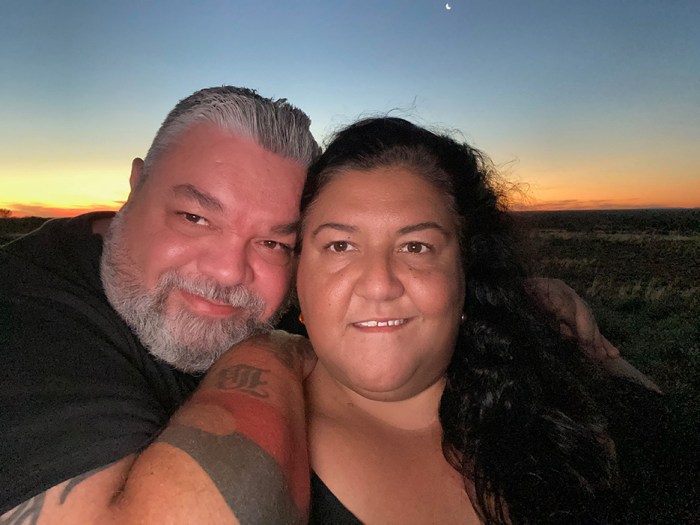
Writer/director Adrian Russell Wills, a Wonnarua man, and producer Gillian Moody, a Wodi Wodi woman, have been best friends for more than two decades. When they first met, these kindred spirits felt a connection that they’ve described as “cosmic”: “like two unicorns finding each other”. Part of their unshakable bond has been similar life experiences – both were adopted into white families in Sydney’s northern suburbs – and, later in life, a desire to reconnect with their bloodlines.
This intimate film is a continuation of Wills and Moody’s ongoing conversations, documenting their emotional searches for belonging and how their abiding friendship has offered solace in turbulent times. With a shared aim to platform marginalised Indigenous voices, this director–producer duo first teamed up on the short films Angeland Daniel’s 21st as well as on the feature documentary Black Divaz. Now turning the camera on themselves in their first collaboration as co-directors, Kindred is likewise a tribute to Indigenous strength, courage and sovereignty.
Kindred
Late Night With the Devil
Directed Cameron Cairnes and Colin Cairnes
Written by Cameron Cairnes and Colin Cairnes
Produced by Adam White, Derek Dauchy, John Molloy, Mat Govoni, Roy Lee and Steven Schneider
Starring David Dastmalchian, Fayssal Bazzi, Georgina Haig, Ian Bliss, Ingrid Torelli, Josh Quong Tart, Laura Gordon and Rhys Auteri
The Aussie brothers behind 100 Bloody Acres (MIFF Premiere Fund 2012) mix frights and frivolity in recreating a 1970s talk show that goes straight to hell.
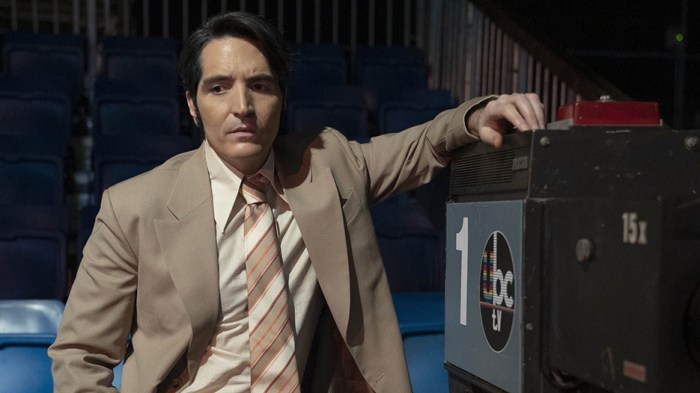
Jack Delroy is a syndicated late-night talk show host craving to be the next Johnny Carson. On the one-year anniversary of his wife’s death (on Halloween night, of course), he returns to the airwaves with guests including a clairvoyant, a parapsychologist and the lone survivor of a satanic cult. Unbeknown to Jack, the trio is joined by a supernatural force seeking to haunt him until a climax so diabolical it would no doubt top the primetime charts.
Colin and Cameron Cairnes dove into footage of veterans like Carson, David Letterman, Don Lane and Dick Cavett to ensure Late Night With the Devil captures the flavour of the era’s iconic late-night broadcasts. Presented as a lost recording of a fateful episode, this deviously fun twist on the genre features a standout leading turn from David Dastmalchian (The Dark Knight; Dune) and a cast that includes Fayssal Bazzi (Measure for Measure, MIFF Premiere Fund 2019) and Laura Gordon (Undertow, MIFF Premiere Fund 2019). The King of Horror himself, Stephen King, applauded the film following its SXSW premiere: “It’s absolutely brilliant,” he tweeted to his 7.1 million followers. “I couldn’t take my eyes off it.”
Late Night with the Devil
Memory Film: A Filmmakers Diary
Written and directed by Jeni Thornley
Produced by Jeni Thornley and Tom Zubrycki
Revered filmmaker Jeni Thornley (Maidens, MIFF 1979) composes an immersive cine-poem from her extensive super-8 archive spanning three decades.
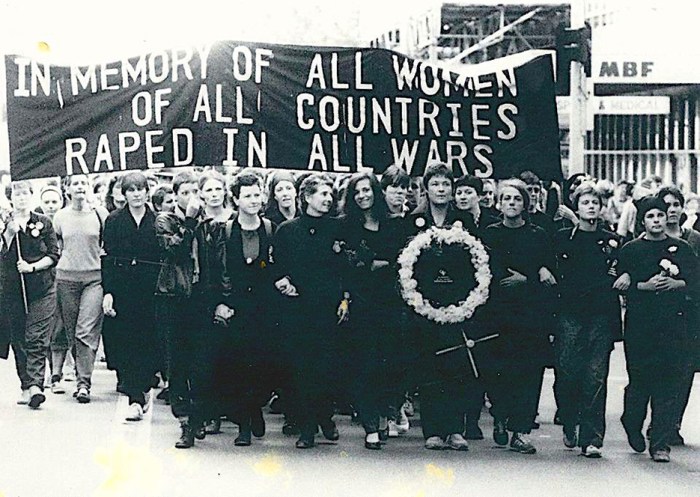
Set against the backdrop of radical feminism, Aboriginal land rights and widespread social upheaval, Memory Film: A Filmmaker’s Diary is a ‘road movie’ of sorts, tracing its maker’s inner journey towards liberation. Adopting the lenses of psychotherapy and Eastern spirituality, and incorporating footage from Thornley’s earlier works Maidens, the collaborative feature For Love or Money, To the Other Shore and Island Home Country, this hyper-intimate opus contemplates gender fluidity, sexual politics, the pleasure and pain of motherhood, and the desire for a world free of war and colonisation.
With a sweeping score by Egyptian-Australian multi-instrumentalist Joseph Tawadros and inspired by the minimalist sensibility of silent cinema as a dialogue-free piece, Thornley’s “farewell film poem to life” unfolds with a haunting tactility: along with the celluloid’s visible grain, there are shots of foliage, forests, fronds of hair, fingers on skin. Thornley allows the personal to intrude on the societal, revealing cracks in institutionalised accounts of events and foregrounding both impermanence and the inexorable passage of time. Supported by the MIFF Premiere Fund and produced by Tom Zubrycki (Senses of Cinema, MIFF Premiere Fund 2022; Ablaze, MIFF Premiere Fund 2021), Memory Film: A Filmmaker’s Diary is a lovingly crafted, lucid meditation on resistance, legacy and carving out one’s place amid constant transformation.
Memory Film: A Filmmakers Diary
Mercy Road
Directed by John Curran
Written by Christopher Lee Pelletier, Jesse Heffring and John Curran
Produced by Alex Proyas, Daniaile Jarry, Gary Hamilton, Michelle Krumm, Penny Karlin and Ying Ye
Starring Huw Higginson, Luke Bracey, Martha Kate Morgan, Susie Porter and Toby Jones
The first virtually produced Australian feature, Mercy Road is an unrelentingly tense psychological thriller from Tracks director John Curran.
Pushed to the limit and on the edge of sanity, single father Tom learns just how far he must go to protect what matters most to him. His daughter Ruby has been abducted, and to save her, he must carry out a series of tasks as instructed by a disembodied, psychopathic voice on the other side of a phone call. Battling against near-impossible odds, Tom realises that the true ransom demanded of him is a piece of his own soul.
Curran teamed up with Alex Proyas’s (Dark City: Director’s Cut, MIFF 2017) production company Heretic Foundation to bring Mercy Road to life using a real-time in-camera compositing technique involving LED screens and Unreal Engine. Matching Curran’s ingenious direction is an arresting star turn from Hollywood star-on-the-rise Luke Bracey (Point Break; Hacksaw Ridge), who is ably supported by fellow cast members Toby Jones (Berberian Sound Studio, MIFF 2012) and Susie Porter (Cargo; Ladies in Black). The result is a groundbreaking and visually spectacular depiction of one man’s desperate search for redemption.
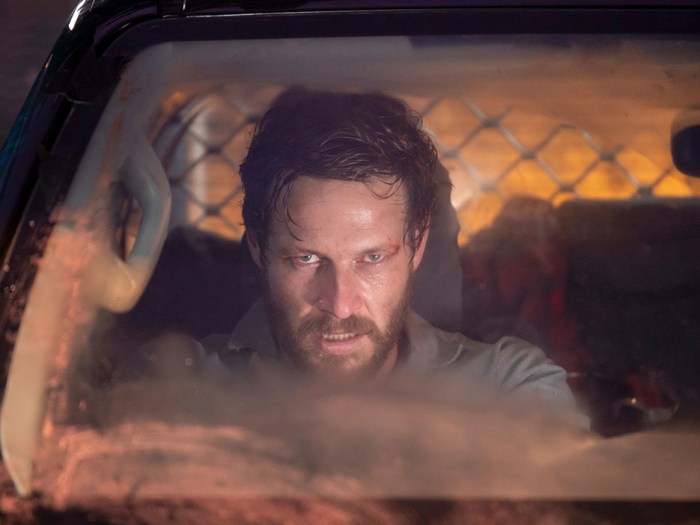
Mercy Road
Monolith
Directed by Matt Vesely
Written by Lucy Campbell
Produced by Bettina Hamilton
Starring Lily Sullivan
This claustrophobic sci-fi thriller follows a disgraced journalist confronted with an unexplained artefact that may not be of this world, but is about to become the centre of hers.
Cast out and eager to salvage her reputation, an unnamed journalist retreats to her parents’ house to work on a podcast about the paranormal and the unexplained. While researching, she learns about a retiree’s encounter with a puzzling black brick, which appeared seemingly out of nowhere. A raft of similar anecdotes involving other black bricks then leads her down shadowy paths and to a desperate fixation on the truth behind the mysterious objects – until, one day, a sinister brick of her own appears.
Blending science fiction and thriller in his gripping feature debut, Matt Vesely (My Best Friend Is Stuck on the Ceiling, MIFF 2016) astutely crafts dramatic tension through constraint. Literalising the notion of confinement – evident here not just in the single setting but also in the fanatics’ blinkered mindsets – the camera barely leaves the only onscreen character, played with expressive intensity by Lily Sullivan (Evil Dead Rise; Jungle, MIFF Premiere Fund 2017) in what is effectively a one-hander. Ramped up with Benjamin Speed’s unsettling score, Monolith drip-feeds in ominous fashion before delivering its disturbing conclusion.
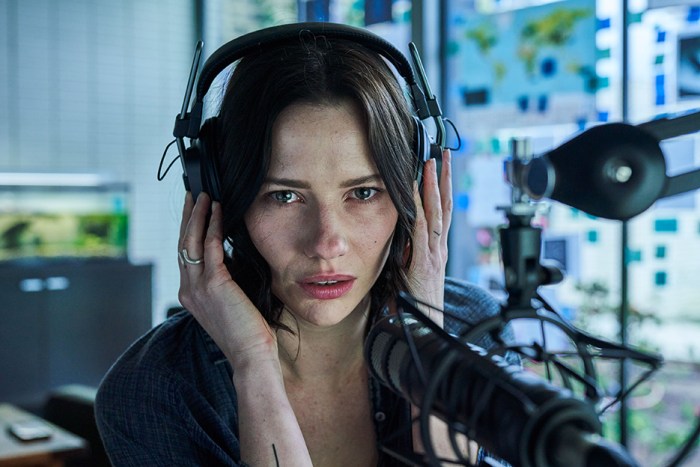
Monolith
Mutiny In Heaven: The Birthday Party
Directed by Ian White
Produced by Bill Lord, Ian White, Michael Murphy, Mick Harvey, Stuart Souter and Wim Wenders
Featuring Mick Harvey, Nick Cave, Phill Calvert, Rowland S. Howard and Tracy Pew
The thrilling, debauched and frequently hilarious adventures of the legendary Melbourne post-punk band, in their own words.
In February 1980, they were Boys Next Door on the brink of stardom. But they changed their name to The Birthday Party and moved to London, then to West Berlin, writing ever scarier, sexier, angrier music and turning their gigs into antagonistic art ordeals. Offstage, things were even more chaotic. Nick Cave, Rowland S. Howard, Mick Harvey, Tracy Pew and Phill Calvert froze and starved in increasingly squalid squats, descending into addiction, psychosis, imprisonment and, worst of all, creative differences. Yet by their final gig in 1983, howling like fallen angels under the chandelier at St Kilda’s Crystal Ballroom, The Birthday Party had achieved rock immortality.
With a soundtrack curated by Harvey, this picaresque documentary is stuffed with rare and unseen photos, artwork, letters and diaries, unreleased tracks and studio footage. But its greatest delight are the band members’ own sardonic recollections of their youthful hopes and dreams. Even guitarist/songwriter Howard – previously immortalised in the documentary Autoluminescent: Rowland S. Howard (MIFF 2011) – makes an appearance via a series of revealing interviews filmed shortly before his death in December 2009. A thrilling chronicle of the band’s struggles and successes, Mutiny in Heaven is a must-see for post-punk fans.

Mutiny In Heaven: The Birthday Party
Rebel With a Cause – Part 1 and 2
Directed by Douglas Watkins, EJ Garret, Jill Robinson and S.F. Tusa
Written by Douglas Watkins, EJ Garret, Jill Robinson and S.F. Tusa
Produced by Citt Williams and Dena Curtis
Featuring Neville Bonner, Oodgeroo Noonuccal, Pat O’Shane and Tiga Bayles
What does it take to make a difference? Four First Nations trailblazers – a senator, a magistrate, a media icon and a poet – put everything on the line for a brighter future.
Senator Neville Bonner, a Jagera Elder, was the first Indigenous person elected to Parliament, serving 12 years across four federal governments. Former teacher and barrister Pat O’Shane, a Kuku Yalanji woman, became Australia’s first Aboriginal magistrate – a position she held from 1986 until 2013. Birri Gubba Gungalu radio host Tiga Bayles ruled the airwaves, presenting Sydney’s Radio Redfern and establishing the Brisbane Indigenous Media Association and the National Indigenous Radio Service. And Noonuccal poet, conservationist and activist Oodgeroo Noonuccal was the first Aboriginal person to publish a book of verse.
Commissioned by National Indigenous Television (NITV), this four-part documentary series homes in on the political dimension of the personal, showcasing the unparalleled efforts of four trailblazers from Queensland who altered the course of Australian history. Interweaving never-before-seen archival material with interviews with loved ones and peers, Rebel With a Cause dives into the philosophies that guided these four figures – “Don’t hate; educate”, “I’m going out with my gloves on”, “I’m a token for no man” and “Are you going to be an honourable ancestor?” – to present an inspirational, vital account of First Nations–led change-making.
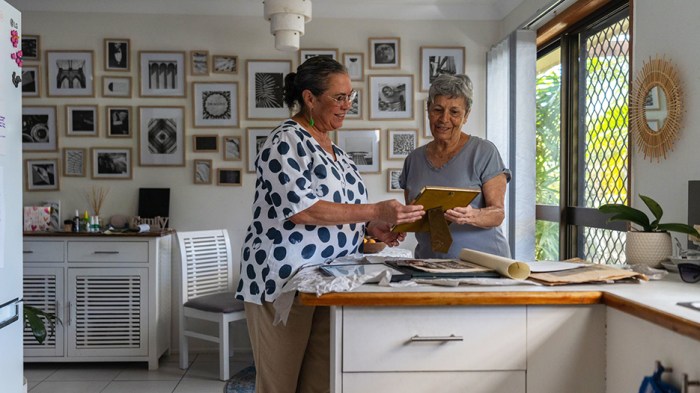
Rebel With a Cause – Part 1 and 2
Rose Gold
Directed by Matthew Adekponya
Produced by Richard Finlayson
Featuring Andrej Lemanis, Andrew Bogut, Andrew Gaze, Aron Baynes, Benny Mills, Brian Goorjian, Dante Exum, Jock Landale, Joe Ingels, John Casey, Josh Giddey, Josh Green, Luc Longley, Matisse Thybulle, Matthew Dellavedova, Patty Mills, Renae Ingles, Shams Charnia and Yvonne Mills
Sit courtside as the Boomers win their history-making Olympic medal and affirm Australia as a force to be reckoned with in global basketball.
On 7 August 2021, the Australian men’s basketball team, the Boomers, defeated Slovenia 107–93 at the Tokyo Summer Olympics. That win earned them a podium spot, behind the US and France, their ‘rose gold’ third-place medal breaking a 65-year streak of losses and agonising near-misses.
With creative consultation from Kriv Stenders (Australia Day, MIFF 2017; Red Dog, MIFF 2011), Matthew Adekponya’s feature debut is a clear three-pointer: not only a behind-the-scenes look at how the Boomers achieved their first ever international medal, but also the story of basketball in the country and a thrilling account of mateship that saw Australia held up on the world stage. A former pro-basketballer, Adekponya was embedded with the team over several years, allowing him to capture their heartbreaks, triumphs and never-say-die determination. Featuring previously unscreened footage and exclusive interviews with coaches, commentators and a star-studded line-up of Australian and NBA players (including Patty Mills, Joe Ingles, Andrew Gaze and Andrew Bogut), Rose Gold is an unmissable document of an unforgettable moment in Australian sport.
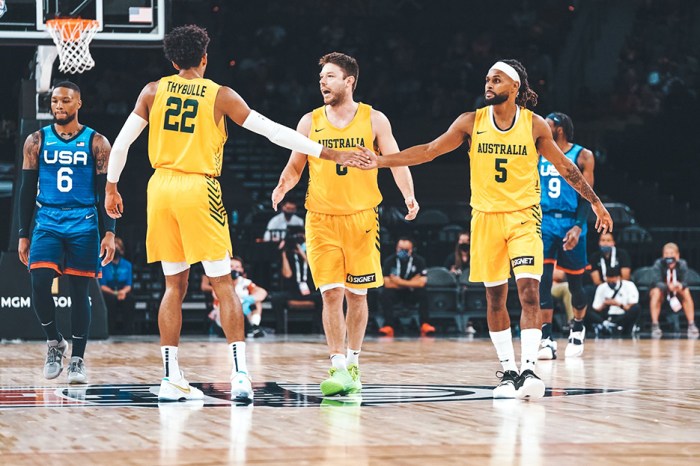
Rose Gold
Shayda
Written and directed by Noora Niasari
Produced by Vincent Sheehan, Noora Niasari
Starring Zar Amir-Ebrahimi, Osamah Sami, Leah Purcell, Jillian Nguyen, Mojean Aria, Rina Mousavi and Selina Zahednia
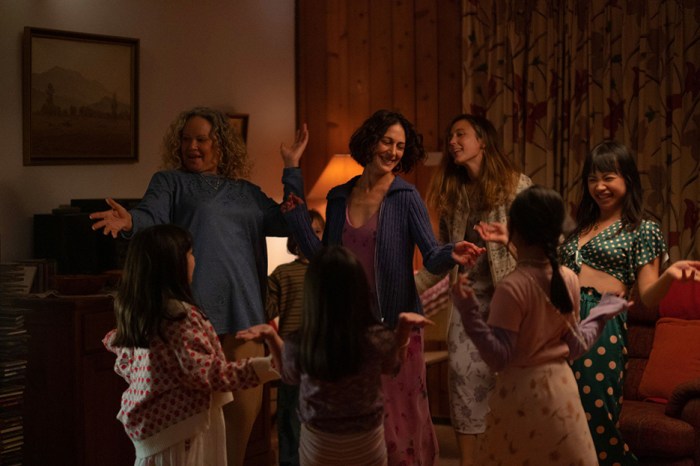
Cannes Best Actress winner Zar Amir-Ebrahimi (Holy Spider, MIFF 2022) anchors this Sundance Audience Award–winning portrait of a mother seeking a new life for herself and her daughter.
Shayda, a brave Iranian mother, finds refuge in an Australian women’s shelter with her six-year-old daughter. Over Persian New Year, they take solace in Nowruz rituals and new beginnings, but when her estranged husband re-enters their lives, Shayda’s path to freedom is jeopardised.
Supported by the MIFF Premiere Fund, the accomplished feature debut from MIFF Accelerator Lab alumna Noora Niasari (Tâm, MIFF 2020; Waterfall, MIFF 2017) was produced by Vincent Sheehan and Niasari, and executive-produced by Cate Blanchett. While forthright about the challenges of healing for those who have survived domestic violence, the film also shines a light on the indomitable hope that propels its spirited, beautifully complex characters. With affecting lead performances from Amir-Ebrahimi and newcomer Selina Zahednia – alongside Leah Purcell (The Drover’s Wife The Legend of Molly Johnson, MIFF 2021), Jillian Nguyen (Hungry Ghosts), Osamah Sami (Ali’s Wedding, MIFF 2017), Mojean Aria (KAPO; Reminiscence) and Rina Mousavi (Itch) – Shayda is a moving story of resilience, the desire for independence, and the sacrifices and strength of a mother’s love.
Shayda
Sunflower
Written and directed by Gabriel Carrubba
Produced by Gabriel Carrubba and Zane Borg
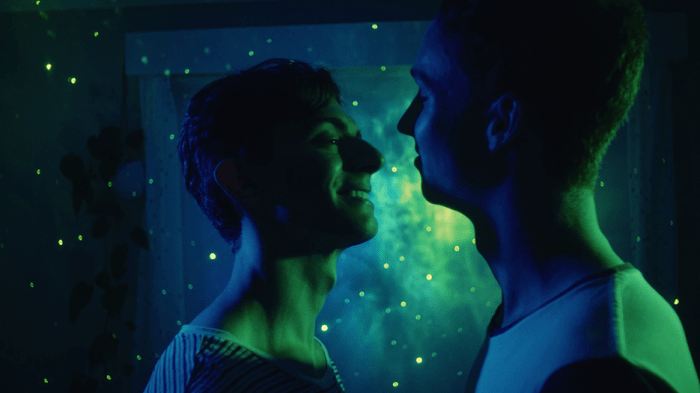
In this affecting Melbourne-set queer drama, a teenager’s coming of age is complicated by an unexpected sexual awakening.
On the surface, 17-year-old Leo lives a typical life within a working-class family in Melbourne’s outer suburbs. At school, he also enjoys the ‘safety’ of popularity and the respect of his peers. But beneath that projected persona lie questions around desire and sexuality: he is blindsided by his growing attraction to his best friend, Boof. Amid heteronormative pressures from all sides, will Leo be able to embrace this newfound aspect of his identity and come into his own?
Sunflower is a delicate marvel of low-budget independent local filmmaking, with sumptuous cinematography and energetic performances from lead Liam Mollica (Nowhere Boys) and supporting cast Luke J. Morgan, Elias Anton (Of an Age, MIFF Premiere Fund 2022) and Olivia Fildes. For his feature debut, writer/director Gabriel Carrubba – himself from suburban Melbourne – set out to create a film that would “give queer teenagers hope, to show them that they’re not alone”; with this tender and poignant story of self-acceptance, he makes good on that promise.
Sunflower
ADVERTISEMENT Donate to the Old Mate crowdfunding campaign today!
The Carnival
Directed by Isabel Darling
Produced by Isabel Darling and Tom Zubrycki
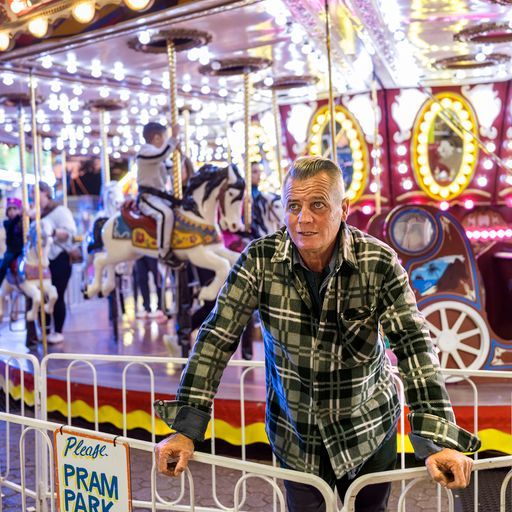
Amid bushfires, the pandemic and punters’ changing tastes, the family behind the Bells Family Carnival fight to preserve the attraction’s century-long legacy.
The Bells Family Carnival is a sixth-generation family business, and all year round, across Australia, the Bells drive a 30-strong fleet of trailers containing the vast disassembled rides they’ll rebuild by hand come rain, hail or shine. The shrieks and giggles escaping from visitors flung high into the air, in circles and upside down are all that matter to 54-year-old patriarch Elwin, for whom there is no better life. But whereas some of his children share his sentiments, others dream of a different path. Meanwhile, rising costs, unreliable insurance, unpredictable patronage, the bushfires and COVID-19 complicate the Bells’ struggle to keep the operation afloat.
Debut feature director Isabel Darling spent seven years following the Bells and admits to having felt “tempted to drop it all and run away with them at times”. Filled with big-hearted wonder, the resulting film observes moments both intimate and intense while situating the Bells’ plight as part of the broader tradition of the carnival – especially in a world where new technologies have changed our understanding of leisure and enjoyment.
The Carnival
The Hidden Spring
Written, directed and produced by Jason Di Rosso
Divided by 4000 kilometres, a son and his dying father connect in this profoundly intimate documentary debut.
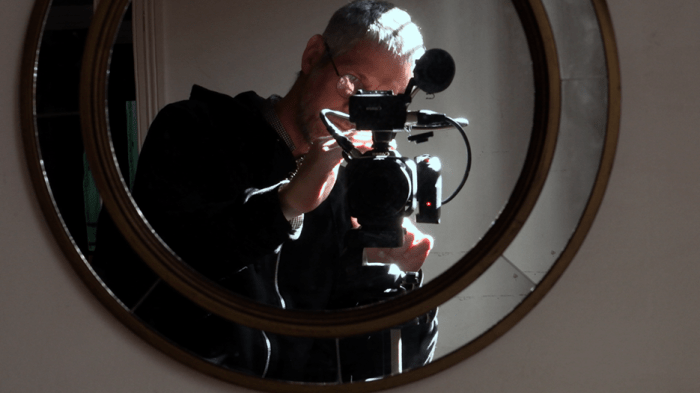
In Perth, a father is on the precipice of death. In Sydney, his son picks up a camera to process his grief. Shot in the terrace home of writer/director Jason Di Rosso – best known as host of ABC Radio National’s The Screen Show – this essay film becomes a way of bridging not just physical distance but also the emotional and philosophical breach between two worldviews. Di Rosso’s father, an adherent of alternative spirituality and an architect well practised in constructing reality, believes he can heal his terminal illness himself.
After two decades of reviewing, The Hidden Spring sees one of Australia’s foremost critics return to his roots in film and television production; Di Rosso’s impressive screen literacy is evident in its beautiful cinematography, smart pacing and sophisticated cinematic language. This deeply personal work joins the ranks of Chantal Akerman’s No Home Movie (MIFF 2016), Laurie Anderson’s Heart of a Dog (MIFF 2016) and Margot Nash’s The Silences (MIFF 2015), all of which have shown the genre’s unique capacity to examine grief. In keeping with the essay’s wandering spirit, Di Rosso also digresses into incisive meditations on time, memory, history, family, architecture and even subjectivity itself.
The Hidden Spring
The Rooster
Written and directed by Mark Leonard Winter
Produced by Geraldine Hakewill and MahVeen Shahraki
Starring Hugo Weaving, John Waters, Phoenix Raei and Rhys Mitchell
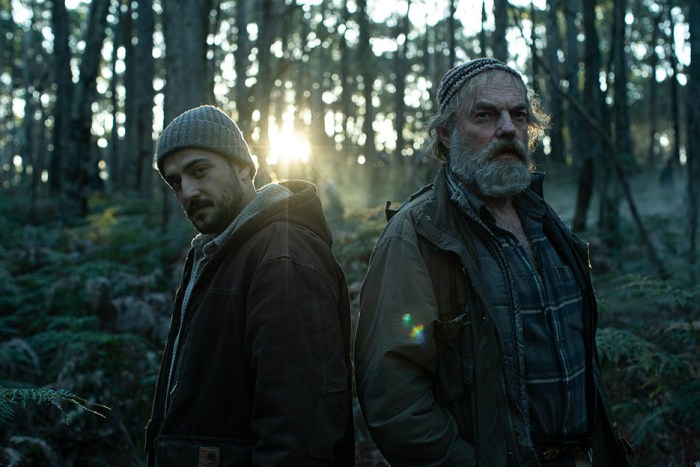
Hugo Weaving and Phoenix Raei play a hermit and a cop who form an unlikely connection amid crisis in this wonderfully weird sucker-punch of tenderness.
Dan (Raei, Below, MIFF Premiere Fund 2019; Clickbait) works in a remote police outpost in regional Victoria, but when a childhood friend is discovered dead following an incident at the local high school, his judgement and credentials are thrown into question. Consumed with guilt and suspended from the force, Dan decides to camp out in the forest, where he encounters a cranky jazz-listening, shotgun-toting, ping-pong-obsessed misanthrope (Weaving, Lone Wolf, MIFF Premiere Fund 2021; Measure for Measure, MIFF Premiere Fund 2019). At first transactional, this bond soon becomes transformative for the broken men. But, surrounded by trees, far away from any trace of civilisation, is everything really as it seems?
Supported by the MIFF Premiere Fund, the feature debut from actor turned writer/director Mark Leonard Winter (The Dressmaker; Little Tornadoes, MIFF Premiere Fund 2021) is a delicate, at times droll, dramatisation of masculinity, mental health and the solace found in companionship. Winter’s storytelling talents are on display in a film that is unafraid to make bold choices: the enigmatic commingles with the everyday, painterly compositions depict both rural isolation and the natural sublime, and the eerie sound design maintains an air of intriguing unease. With Weaving and Raei welded by a tremendous chemistry, The Rooster unfurls as a distinctive, unforgettable tale of two individuals confronting life’s challenges and discovering what hides behind the bravado.
The Rooster
Scarygirl
Directed by Ricard Cussó and Tania Vincent
Produced by Kristen Souvlis, Nadine Bates, Ryan Greaves and Sophie Byrne
Starring Anna Torv, Deborah Mailman, Dylan Alcott, Jillian Nguyen, Liv Hewson, Mark Coles Smith, Sam Neill and Tim Minchin
Anna Torv, Sam Neill, Tim Minchin and Deborah Mailman are among the stellar voice cast for this thrilling Australian animated adventure based on the popular novel and online game.
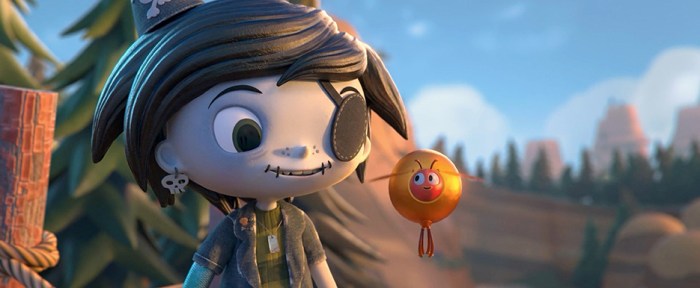
Brave young Arkie, with her hook and tentacle for hands, is on a mission. Her father – the giant octopus Blister, whose own magical tentacles can regenerate life – has been kidnapped at the behest of the evil scientist Dr Maybee. The scheming ruler of the City of Light wants to use Blister’s powers for harm, and as darkness beckons, it’s up to Arkie to save him and their idyllic peninsula.
Executive-produced by John Stevenson (Kung Fu Panda; Shrek; Madagascar) and based on the graphic novel, vinyl toys and videogame by Australian illustrator Nathan Jurevicius, who led the film’s production team, this captivating 3D adaptation of Scarygirl has attracted an all-star line-up: Torv, Neill, Minchin and Mailman are joined by Rob Collins, Jillian Nguyen, Mark Coles Smith, Liv Hewson and even 2022 Australian of the Year Dylan Alcott, who lend their voices to the colourful and quirky characters. Touching on identity, family and climate issues, Scarygirl is an imaginative quest with a world as breathtakingly expansive as the story it contains.
Scarygirl
This Is Going to Be Big
Directed by Thomas Charles Hyland
Producers Catherine Bradbury, Jim Wright and Josie Mason Campbell
Starring Darcy Nolan, Lori Nichols and Tony Rains
Peer behind the curtain as a cast of neurodivergent teens prepare to come of age and hit the stage in their school’s time-travelling, John Farnham–themed musical.
Every two years, the Sunbury and Macedon Ranges Specialist School’s Bullengarook campus puts on a play. For expressive overachiever Halle, it will be an opportunity to honour her late aunt, who loved to sing. For methodical Josh, it will be a challenge to take seriously, while wide-eyed Elyse is just happy to be involved. And for charismatic Chelsea, it will be a chance to wow an audience with her undeniable comedic skill. Six months of auditions, rehearsals and nerves will be gruelling, but everything will pay off on The Time-Travelling Trio’s opening night.
Supported by the MIFF Premiere Fund, Thomas Charles Hyland’s feature directorial debut brims with unfettered honesty and quirky humour, revealing the human story behind the performed one. Told squarely from the teenagers’ perspective and documenting their experiences of autism, clinical anxiety and acquired brain injury, the film follows them, their families and the school staff as they weather the highs and lows leading up to showtime, foregrounding creativity’s role in fostering self-acceptance and in nurturing agency and resilience. As its title suggests, This Is Going to Be Big is sure to be a hit – an endearing, relatable tale of adolescent aspiration and a community that comes together to ensure these young voices ring out, both as John Farnham through the ages and, most importantly, as themselves.

This is Going to be Big
Ukraine Guernica – Artist War
Directed by George Gittoes
Produced by Hellen Rose
Featuring Ave Libertatevameamour, Kate Parunova, Mark Solodchuk, Olga Solodchuk, Viktor Solodchuk, Viktoria Apanasenko and Yevheniya Antonyuk
Activist and filmmaker George Gittoes follows the frontline artists daring to stand up to the Russian invasions of Ukraine and Afghanistan.
An anti-war film in the tradition of Pablo Picasso’s Guernica as well as John Lennon and Yoko Ono’s ‘Happy Xmas (War Is Over)’, the candid and powerful Ukraine Guernica – Artist War takes us behind the battle lines and into the lives of the artists confronting Russia’s march on Ukraine and Afghanistan following the withdrawal of foreign forces. From the ashes of unspeakable tragedy and destruction, new creative works are born, including projects completed at the former House of Culture in Irpin, Ukraine, and at the Yellow House Art School in Jalalabad, Afghanistan.
Gittoes, a former recipient of the Sydney Peace Prize, has established himself as one of Australia’s most uncompromising artists, activists and documentary makers, with his earlier polemical works addressing US gun violence (White Light, MIFF 2019), life under the Taliban (Snow Monkey, MIFF 2015) and war’s impact on music (Rampage, MIFF 2006). In this latest work, created in collaboration with producer/musician Hellen Rose, he brings his fearless, compassionate eye to a landscape devastated by ongoing atrocities, finding optimism in the process of creation – and in the hope that humanity might put an end to violent conflict.

Ukraine Guernica: Artist War
Voices in Deep
Starring Angeliki Papoulia, Christos Karavevas, Hannah Sims, Kostas Nikouli and Michael Hilane
Written and directed by Jason Raftopoulos
Produced by Alexandros Ouzas and Jason Raftopoulos
Following a tragedy at sea, the lives of two orphaned refugees and an Australian aid worker are inextricably woven together in this bracing, humanistic drama.
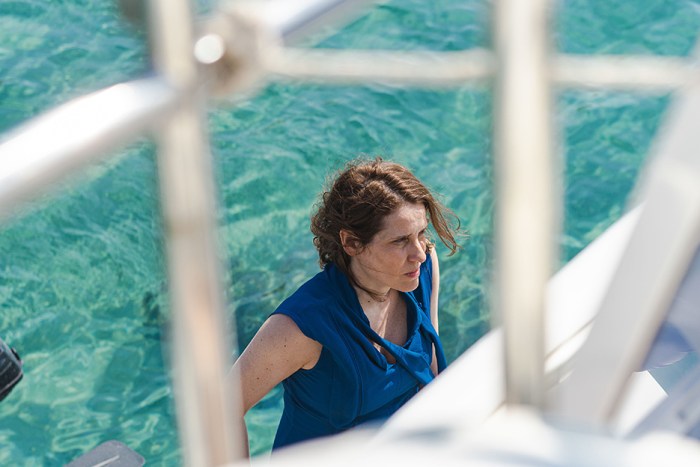
In Athens, just after the devastating 2015 refugee crisis, Tarek and Zaeed fend for themselves on the street. Their parents died during their ocean journey; in a bid for shelter and food, Tarek accepts exploitative sex work and Zaeed takes desperate, risky measures to change their circumstances. Meanwhile, Bobby, a humanitarian worker dealing with her own painful past, is trying to offload bags of illegally harvested shellfish before she returns to Australia.
An astute and touching examination of statelessness, trauma and time, Voices in Deepis the second feature from Jason Raftopoulos, whose Venice-premiering debut West of Sunshine (MIFF 2015) first demonstrated his social-realist directorial eye. In this equally confronting yet compassionate follow-up – informed by his own Greek-Cypriot family’s experiences of migration – he arranges a stellar cast of Australian and Greek actors, including Yorgos Lanthimos regular Angeliki Papoulia (Dogtooth, MIFF 2009; The Lobster), to once again shine a light on lives relegated to the shadows.
Voices in Deep
With Love to the Person Next to Me
Written and directed by Brian McKenzie
Produced by John Cruthers
Starring Barry Dickens, Kim Gyngell, Paul Chubb and Sally McKenzie
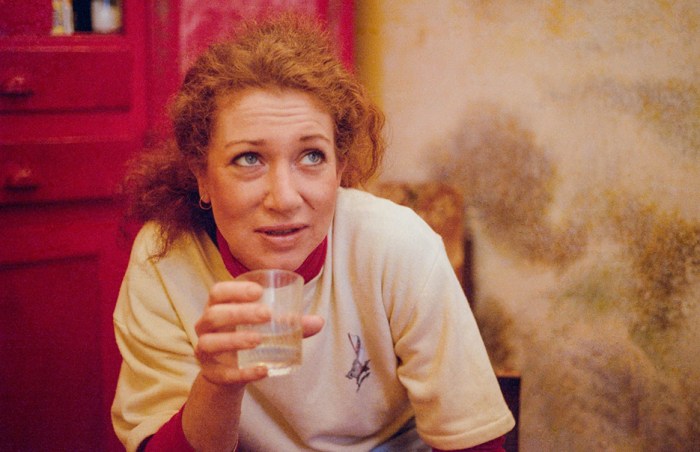
A brooding taxi driver becomes obsessed with the lives of his passengers in Brian McKenzie’s forgotten Melbourne gem, now lovingly restored.
Shot primarily on the grimy streets of bayside Melbourne, With Love to the Person Next to Me is an acidic and funny ode to the drifters and lonely hearts who dwell on the city’s fringes. The film stars Kym Gyngell as Wallace, a cabbie with no career prospects, no friends and a girlfriend who treats him with ambivalence. His only refuge is the cultivation of his own cider and the secret recordings he makes of his passengers (which he spends his days listening back to), but his stagnant life turns eventful when he falls in with two shady neighbours and starts a somewhat-romance with a local woman.
McKenzie’s first narrative feature generated critical and festival buzz, including winning the Locarno Prize of the Ecumenical Jury, upon its release in 1987 (when it also screened at MIFF). Following a string of documentaries about disenfranchised Australians, the film saw McKenzie apply his concerns to fiction with stirring results, while then-emerging DOP Ray Argall – to whom this restoration can be credited – lenses the city with atmospheric romanticism. Rediscover this neglected treasure of local cinema: a poignant but sensitive portrayal of Melbourne’s outsiders and of the timeless search for purpose and connection.
With Love to the Person Next to Me
You’ll Never Find Me
Directed by Indianna Bell and Josiah Allen
Written by Indianna Bell
Produced by Christine Williams, Indianna Bell, Jordan Cowan and Josiah Allen
Starring Brendan Rock, Elena Carapetis and Jordan Cowan
An elderly caravan park resident tangles with a mysterious woman in this deliciously unpredictable horror debut from a South Australian filmmaking duo.
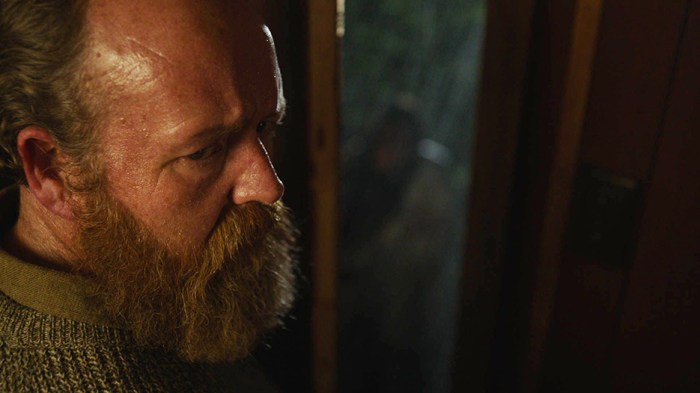
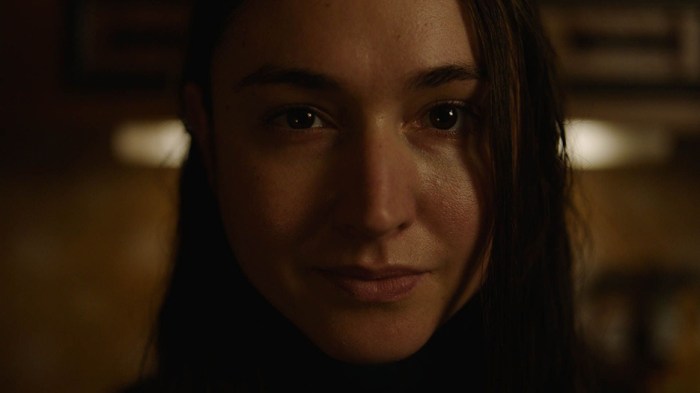
On a dark and gloomy night, a violent thunderstorm is about to send two people into a tailspin of intrigue and paranoia. Soaked, shaken and seeking shelter from the rain, an enigmatic young woman, known only as “the visitor”, arrives at the doorstep of Patrick, an eccentric old man living in a mobile home at the rear of an isolated caravan park. But what begins as an apparent safe haven for these two lonely souls gradually curdles into a nightmare of suspicion, as distrust escalates into danger, reality crumbles and an unforgettably twisted showdown awaits.
Shot on a micro-budget by emerging South Australian filmmakers Josiah Allen and Indianna Bell, this ingenious genre piece – the only Australian selection at this year’s Tribeca Film Festival – makes thrilling use of its minimalist, unnerving premise and showcases combustible lead performances from Brendan Rock (Snowtown; Jack Irish: Black Tide) and newcomer Jordan Cowan as it slowly ratchets up the tension. With a spooky atmosphere and building to a climax as bizarre as it is shocking, You’ll Never Find Me is a hypnotic horror fable you won’t be able to shake.
You’ll Never Find Me

ADVERTISEMENT


 Cinema Australia